


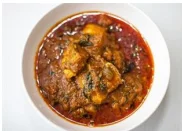
Food is one of the strongest ways culture is preserved and shared across generations. Liberian palm butter is a perfect example of this connection between food, tradition, and identity. Known for its deep flavor and rich texture, palm butter is a beloved dish often prepared for family gatherings and special occasions.
Palm butter is made using concentrated palm fruit paste combined with meats, fish, and bold seasonings. The result is a hearty dish that carries both nutritional value and cultural meaning. For many families, preparing palm butter is not just about cooking—it is about maintaining tradition and passing knowledge from one generation to the next.
The preparation begins with cleaning and cooking the chosen meats and poultry. These are simmered until tender, allowing the base of the dish to develop depth. Peppers and seasonings are then blended and added to the pot, infusing the dish with warmth and spice. Unlike many other stews, onions are intentionally excluded, allowing the palm butter paste to remain the dominant flavor.
Once the seasoning base is ready, the palm butter paste is added and allowed to cook slowly. This step is essential, as it gives the paste time to fully break down and blend with the broth. A bay leaf or palm butter leaf is often added to enhance the smoky aroma and provide an authentic finish.
Palm butter is traditionally served with a variety of sides. Popular options include Liberian fufu, Ghanaian fufu, corn fufu, pounded coco yam, or rice. Each pairing offers a different texture and eating experience, but all complement the richness of the palm butter.
Beyond its taste, palm butter represents hospitality and togetherness. Sharing this meal often brings people together around the table, creating moments of conversation and connection. It is a dish that tells a story of heritage, resilience, and pride.
For those new to Liberian cuisine, palm butter offers an excellent introduction. Its bold flavors, comforting warmth, and cultural significance make it a dish worth experiencing at least once.
Closing: Liberian palm butter is more than a recipe—it is a celebration of tradition, community, and flavor that continues to connect people through food.


